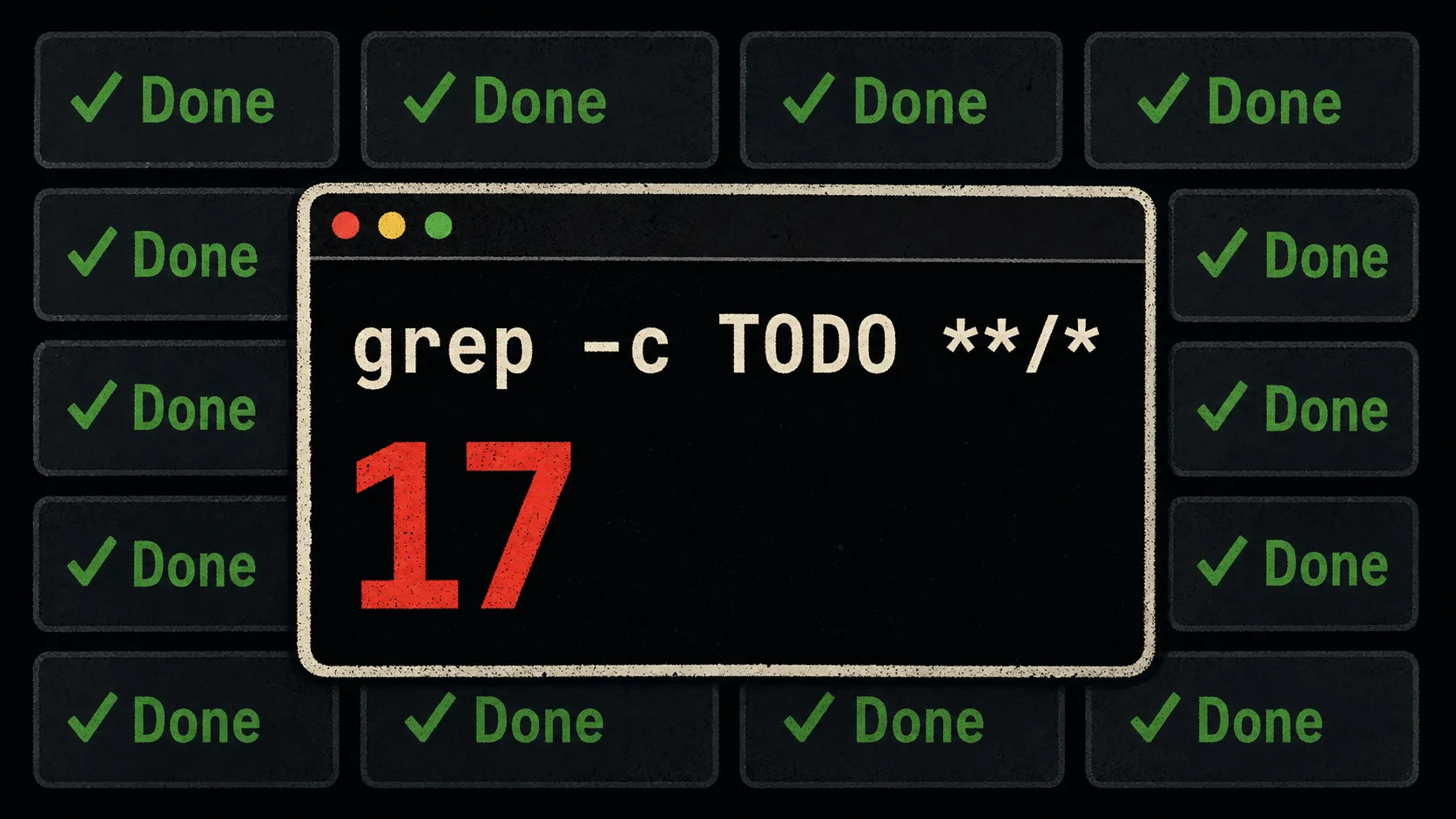
Subagent status reports disagreeing with the filesystem

Your AI Subagents Are Lying to You: 4 Silent Failure Modes

I fanned a design-token sweep out to parallel Claude Code subagents: roughly 317 hardcoded hex colors scattered across an app’s screens and components, all to be replaced with tokens from a central theme file. Each agent got a slice of files and reported back when done. The reports came in clean. The grep afterwards disagreed. Some slices were untouched, and the agents responsible had said nothing, because they no longer existed to say anything. ...

July 29, 2026 · 5 min · Wessam Ibrahim
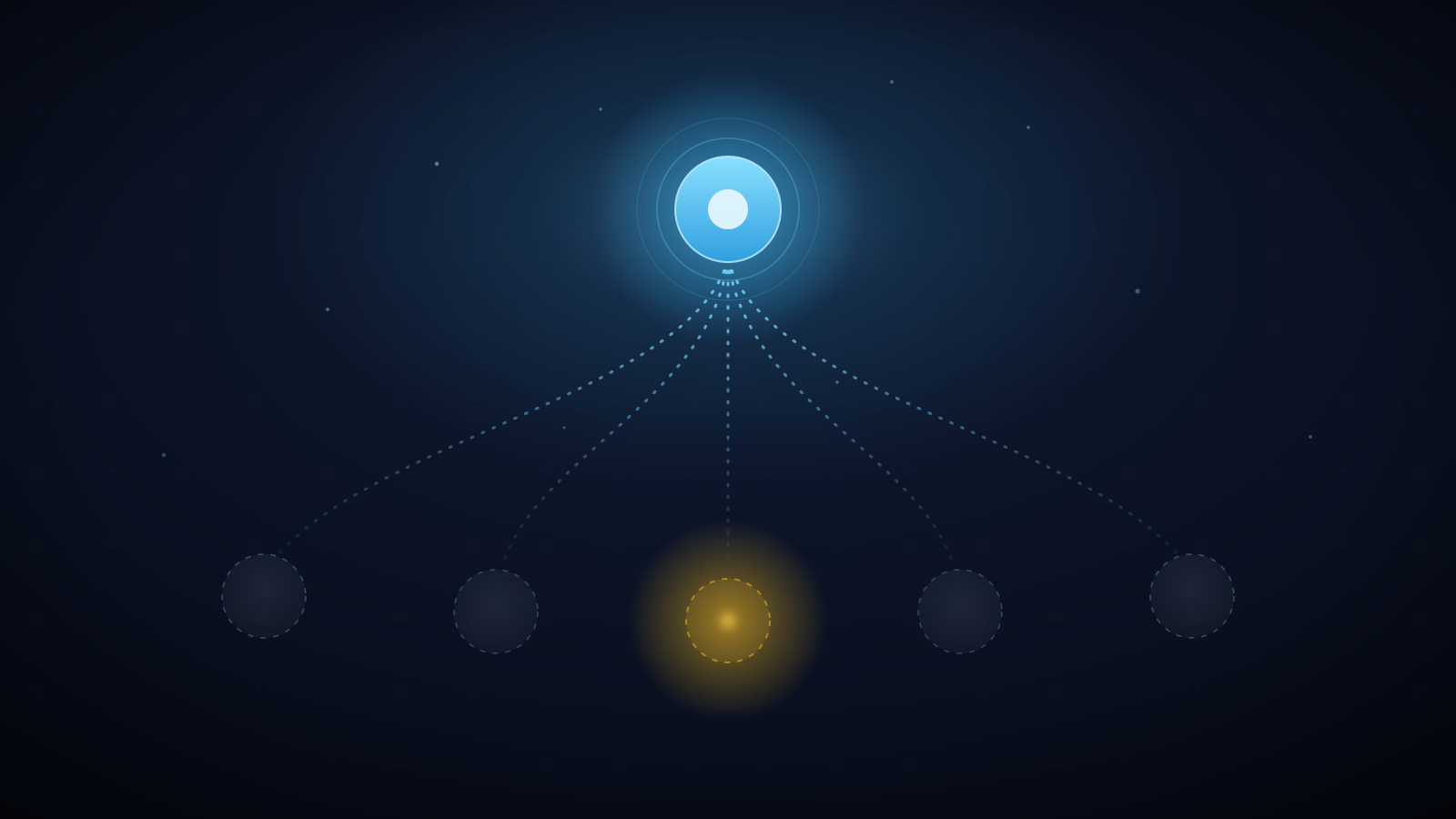
Dispatching subagents silently fails

Why Your Claude Code Orchestrator Silently Stops Dispatching Subagents

The first version of Suhail, my Claude Code orchestrator, had a bug that never threw an error. The orchestrator was supposed to dispatch five role subagents per unit of work: researcher, planner, coder, reviewer, auditor. Instead, runs would “complete” with the orchestrator doing everything itself, inline, in one context window. No dispatch ever happened, and nothing in the transcript flagged it. The root cause was a placement decision that looked obviously correct: the orchestrator is an agent, so I defined it in agents/. ...

July 21, 2026 · 4 min · Wessam Ibrahim
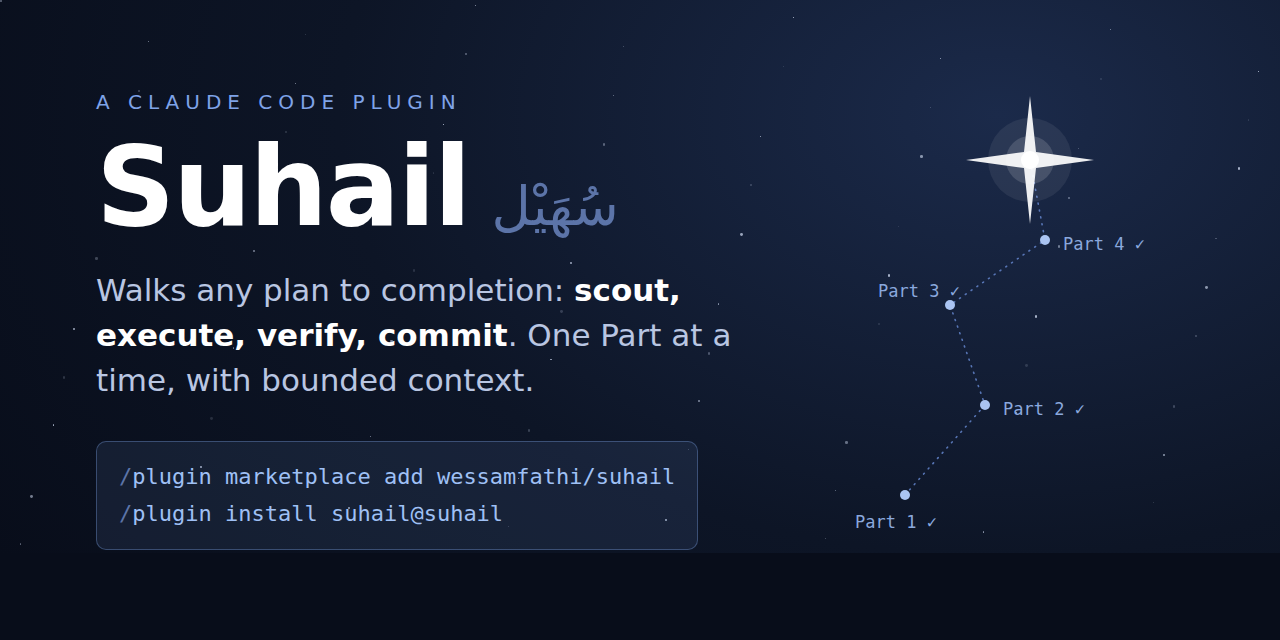
Suhail

Your Multi Agent Pipeline Not Slow Because of the Model

I run Suhail, my own Claude Code orchestrator, against real repos most days. The first time I timed a full run (an indexer plus a trivial two-part plan), it took 22 minutes. My instinct was to blame the model: swap to a faster tier, shave a few seconds per call, ship it. That instinct was wrong. I pulled the actual dispatch counts, and the bottleneck wasn’t model latency at all. It was how many times I was cold-starting a subagent to re-read context it had already seen. ...

July 13, 2026 · 4 min · Wessam Ibrahim